Travel Planning with Meta
concept feature design
Improving group travel planning with Meta: An integrated solution to streamline communication and collaboration. Concept design unaffiliated with Meta.
ux / ui designer
ux research
8 week timeline
figma
photoshop
miro
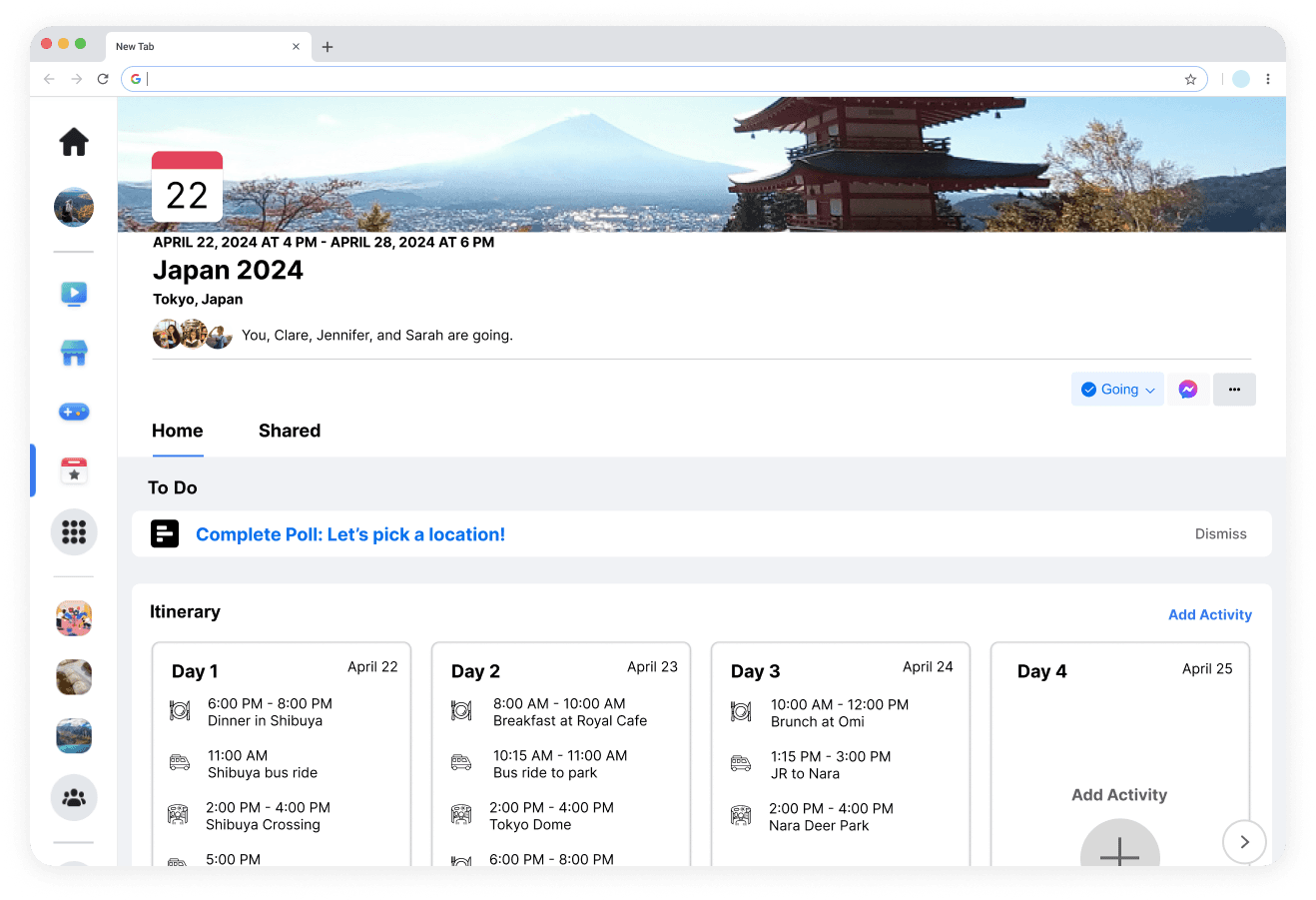
Travel planning is a $250 billion sector, with a plethora of services and resources attempting to improve the experience. However, planning trips with friends remains fragmented and inefficient due to a lack of centralized communication and collaboration tools.
This project aims to resolve the pain points that users still face while planning travel with others.
problem
Group travel planning is fragmented and inefficient due to the lack of a centralized platform for communication and collaboration, resulting in confusion, miscommunication, and missed opportunities.
Despite existing services on the market, the travel planning process remains disjointed for planning and collaboration between users. Friends may use various messaging apps, email, and social media platforms to coordinate, leading to confusion, miscommunication, and missed opportunities for collaboration.
solution Summary
research and user insights
A look at the current market and solutions.
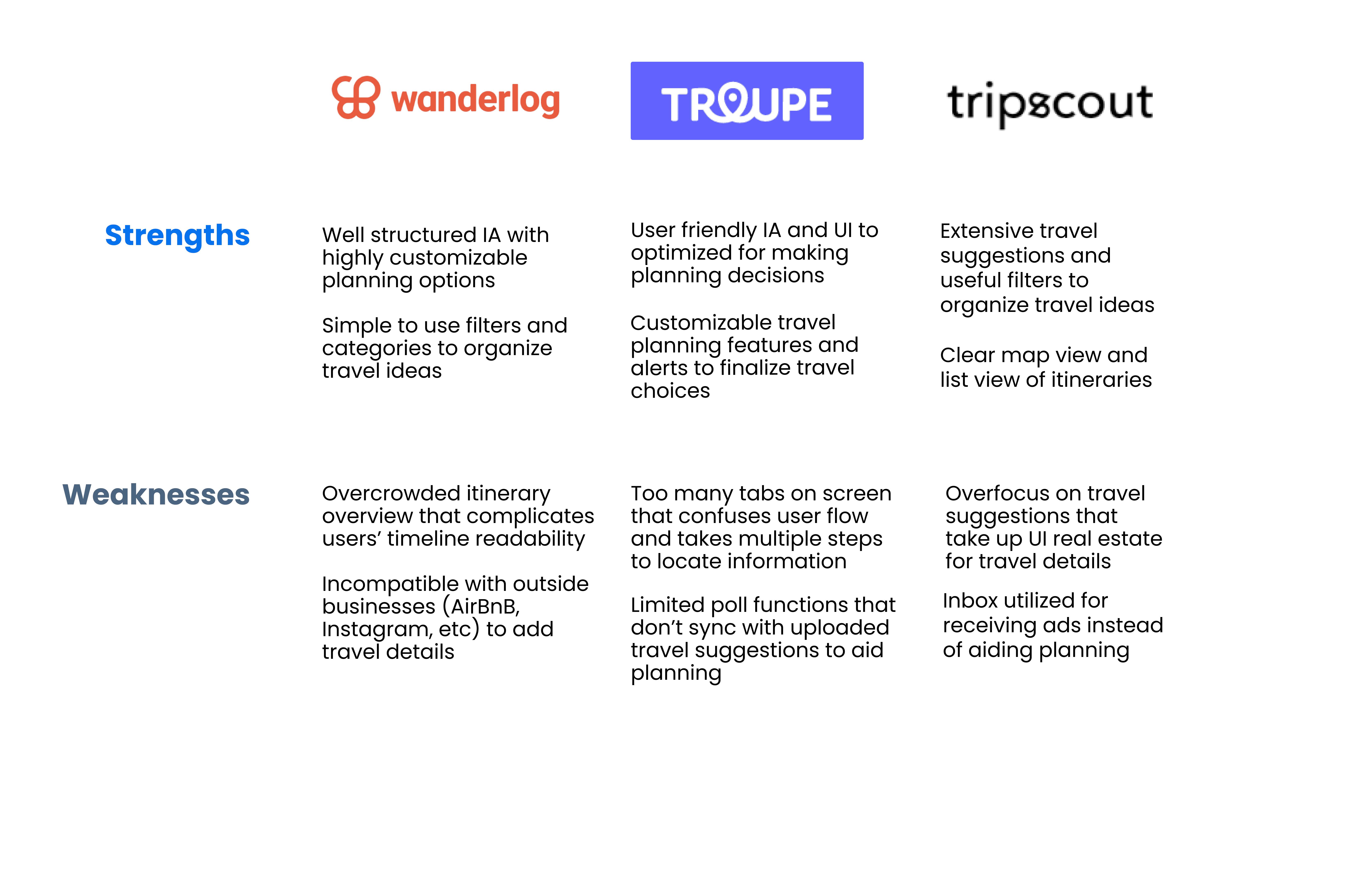
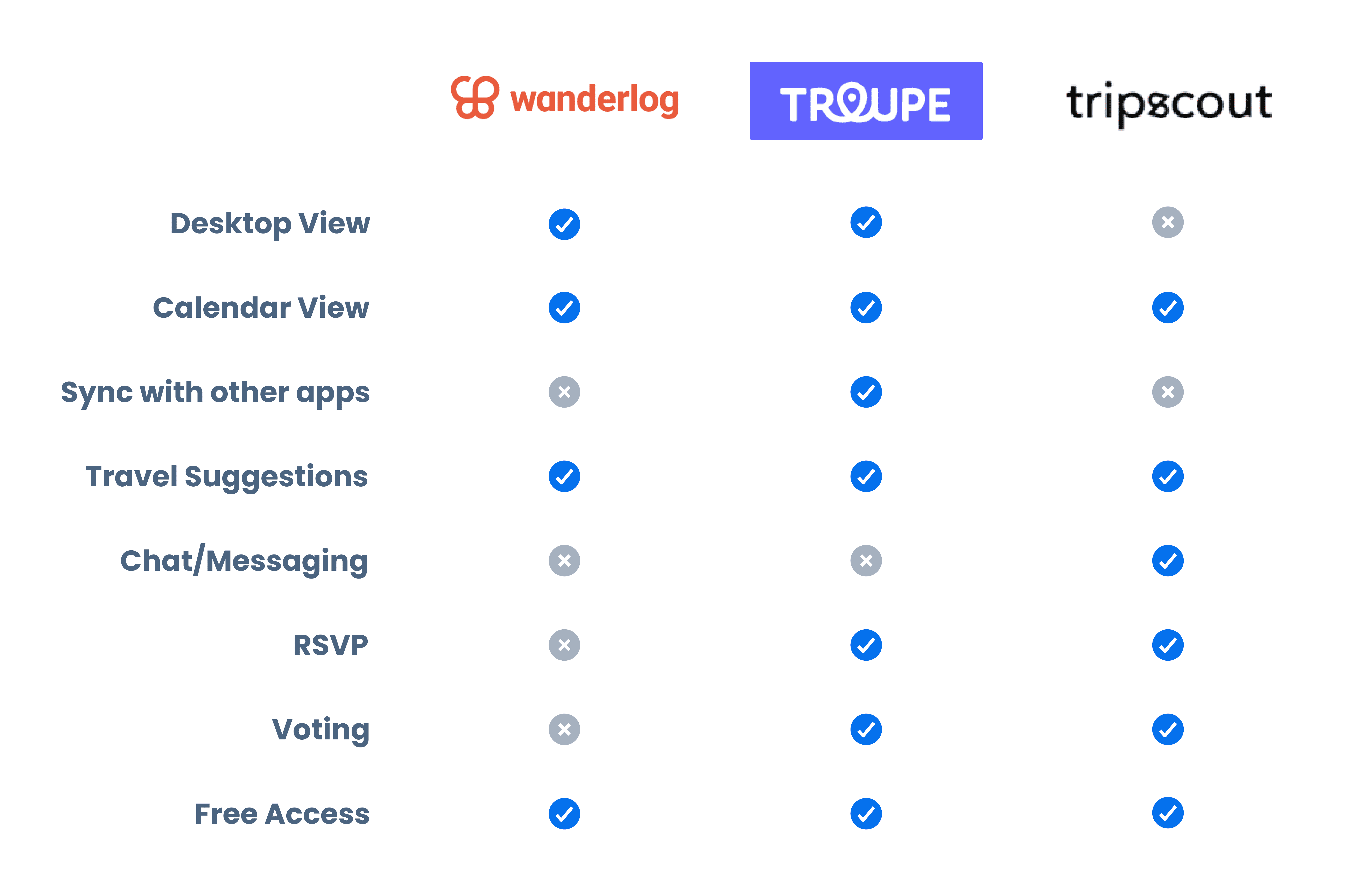
To better understand the travel planning landscape, I conducted a competitive analysis to evaluate existing platforms. While these services had well-designed features that addressed specific aspects of travel planning such as itinerary creating and voting, they often operated in isolated ecosystems, requiring users to sign up for new accounts. They also lacked integration with other commonly used tools, resulting in a less seamless experience. Existing platforms lack integration with widely-used tools and fail to leverage existing social networks.
competitive analysis and feature matrix
Only 20% of users surveyed use dedicated travel planning apps, while the majority prefer familiar social media tools.
I surveyed 15 users that planned at least one trip with friends within the last 12 months. The results revealed that 3/15 (20%) users utilized a dedicated travel planning app, and all 3/3 users continued to use major social media platforms and organizational services alongside these apps. Since much of the planning process occurred outside these platforms, I started observing behaviors that existed beyond dedicated travel planning services.
Current travel planning behaviors lie outside of dedicated travel planning services.
Users default to platforms that already exist within their group despite limitations.
A lot of communication happens within planning, and users default to the most convenient tool that already exists between each other. This includes Facebook messenger, Instagram messenger, and iMessage.
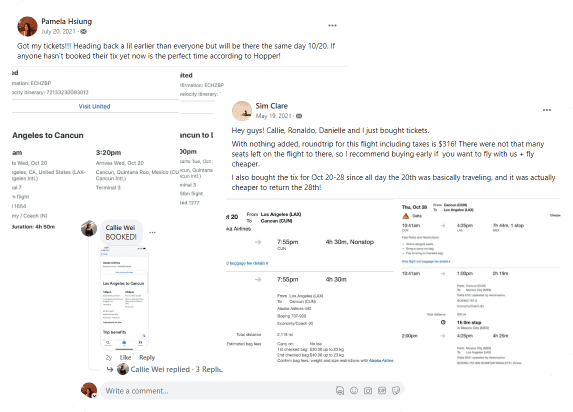
Users repurpose Facebook features, like the Events page, to organize travel plans, indicating that they adapt to platform limitations.
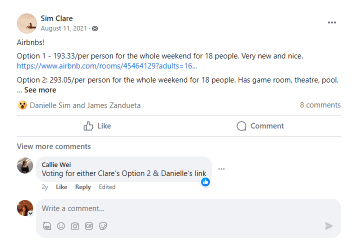
Users improvise through Events page to plan and organize travel ideas on Facebook
Users draw travel inspiration and share ideas from social media platforms.
People now more often than not find inspiration on platforms like Instagram, TikTok, and Facebook to share with friends and family.
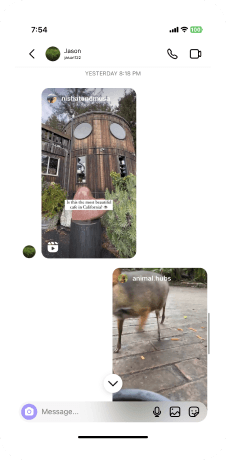
Travel ideas are explored on external platforms. However, ideas are scattered and disconnected from the planning space.
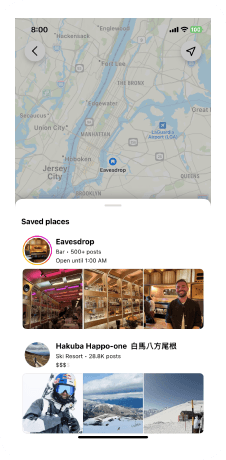
Saved lists are private and cannot be shared
Opportunity lies in improving an existing platform, not creating a new one.
Key findings revealed a major pain point: users prefer working within the limitations of existing services over adopting new ones. Therefore, I aimed to enhance an existing platform that users already turn to for basic communication and collaboration.
Based on user feedback, there is a significant opportunity to enhance an existing platform like Meta that users understand and utilize. Since users already rely on Meta's Messenger and Events features, it would eliminate the frustration of onboarding and learning a new platform. Meta's large user base and strategic partnerships with popular platforms like Instagram and Airbnb also give it a competitive edge, making it an ideal choice for tackling the problem.
So what do our users really need?
With new insight, I shifted my research to focus on the needs of its users. To do so, I limited my selection of participants to those who had planned at least one trip on the platform within the past 12 months. 3 interviews were conducted that revealed major insights for user needs.
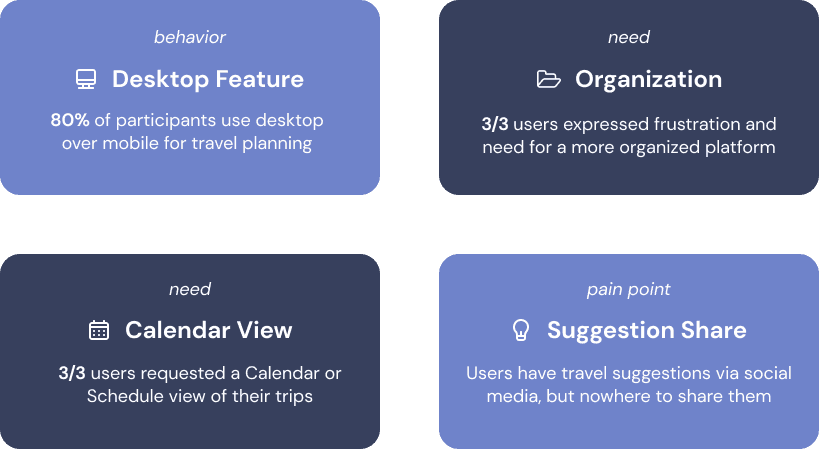

Honing the problem with research and insights.
My initial thought to what users needed in travel planning was some form of itinerary organization. However, I wanted to delve into more of the problem without any assumptions. Conversations with existing users proved organization to be significant but secondary, as users were able to work around these limitations despite its frustrations. What was really missing in planning was a way for users to share travel suggestions in a centralized location and collaborate on travel decisions.
UPDATED PROBLEM
Facebook users that utilize FB to plan travel lack a centralized location to share suggestions and confirm travel details, making collaboration and planning between friends difficult and frustrating.
user persona
Through interviews and research, a user persona for Meta was developed to encapsulate a collective experience, encompassing the frustrations and motivations of all users. This persona became more specified to a user that already exists on the platform.
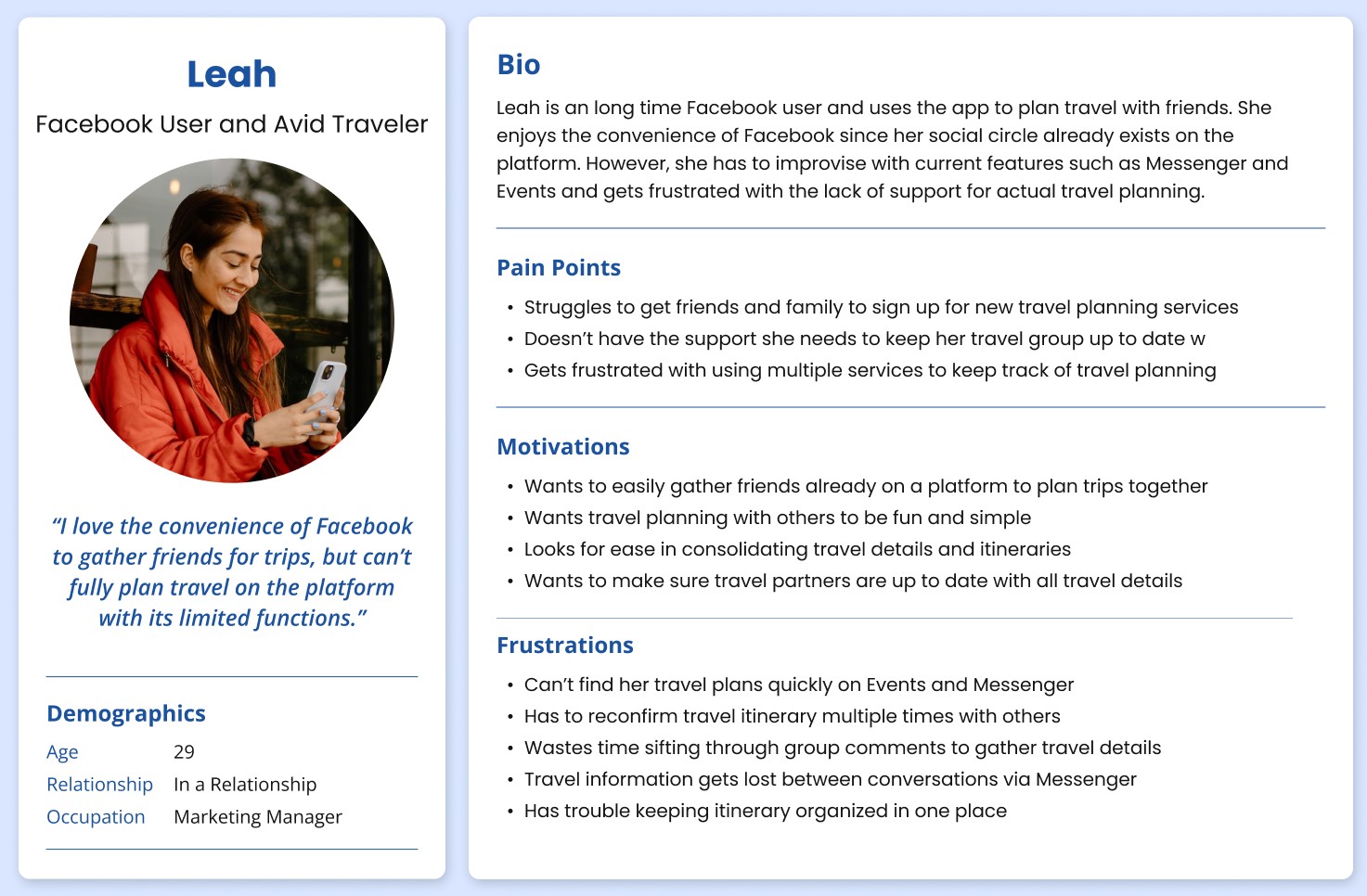
Ideation for the redefined problem
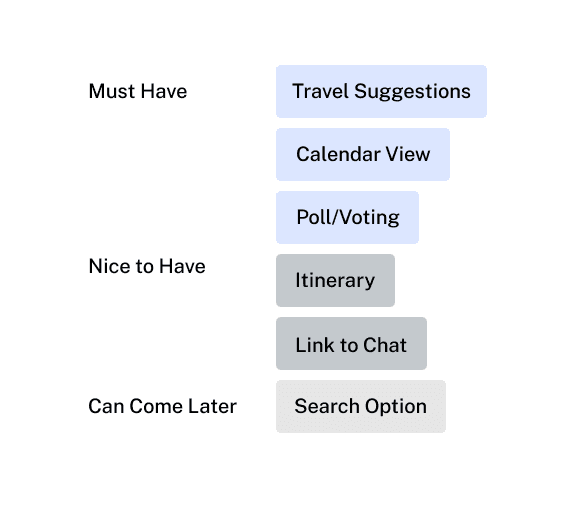
I prioritized features to streamline efforts and ensure the project focused on must-have elements. Features that supported collaboration became main priorities to solve the problem.
priority matrix
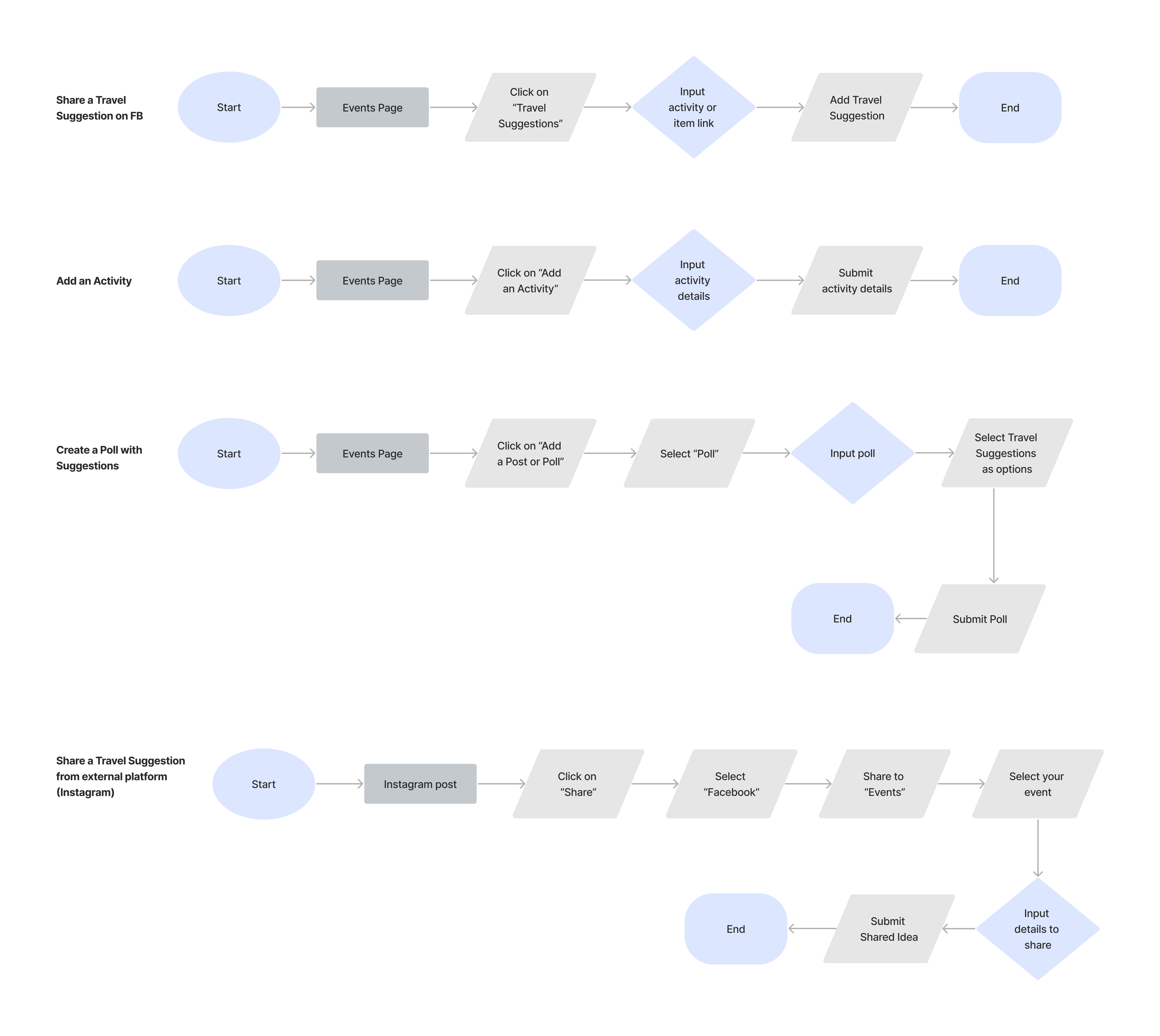
I focused on 3 main task flows that needed to be prioritized according to our research.
task flow

Iterations and improvements through user testing
Initial user testing via mid-fidelity wireframes with 100% task flow completion via user testing. Updates were made prior to hi-fidelity prototyping.
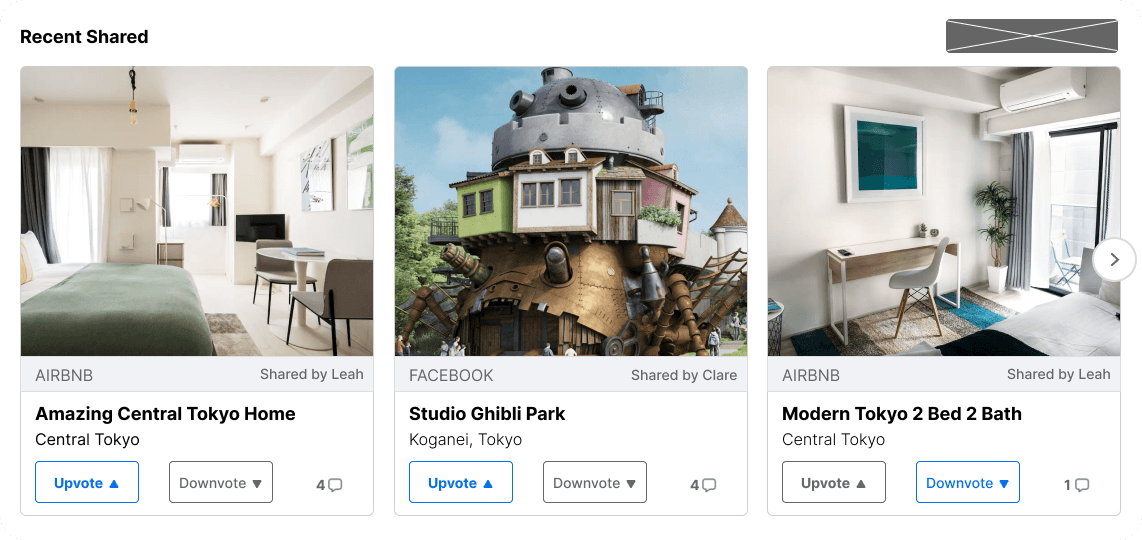
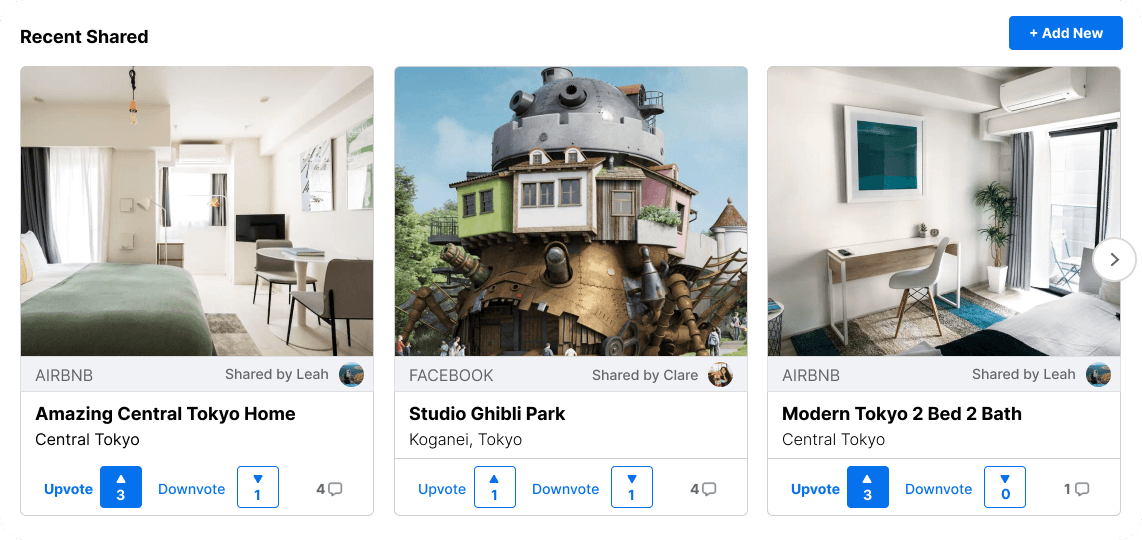
A close look at the solutions for better planning and coordination.
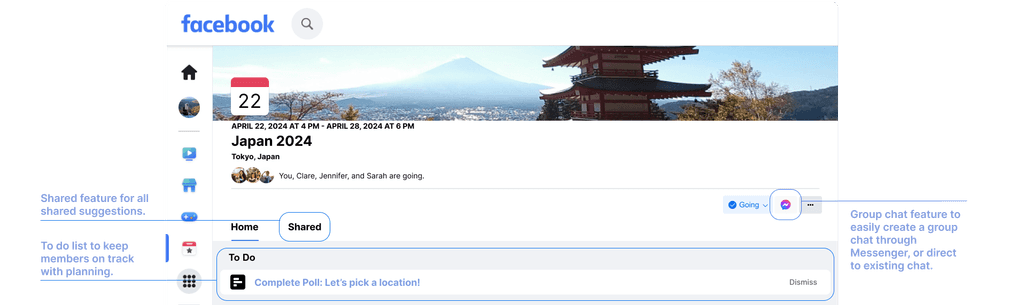
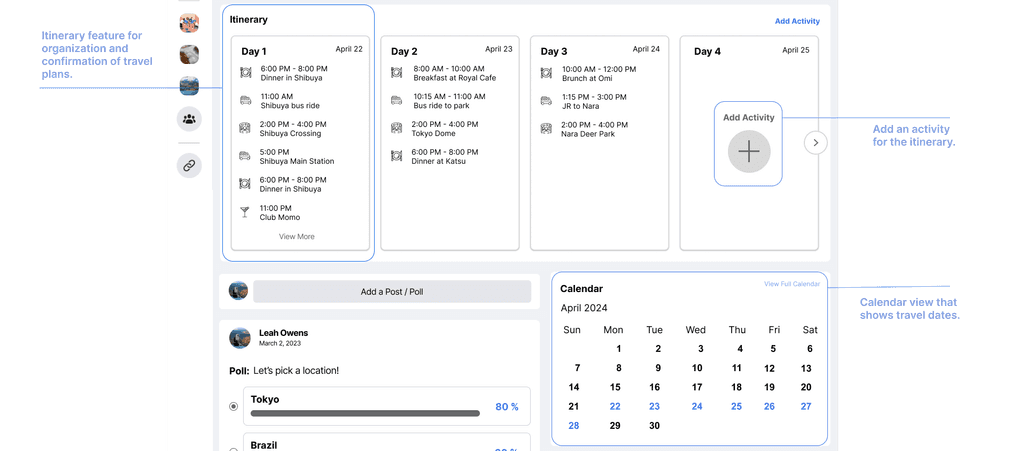
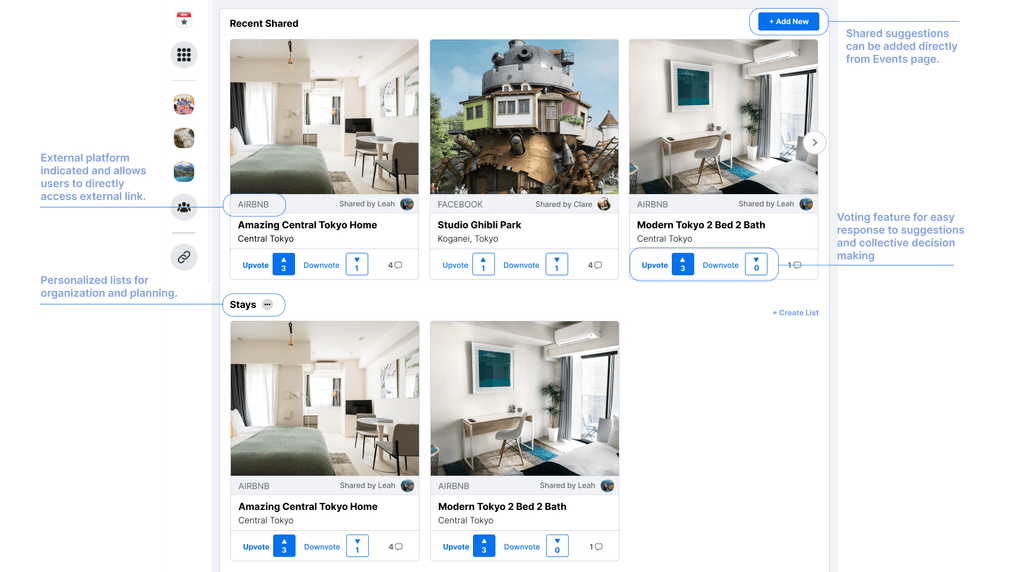
HI-FIDELITY PROTOTYPE
Getting started: Share directly from other platforms to Facebook integration i.e. instagram

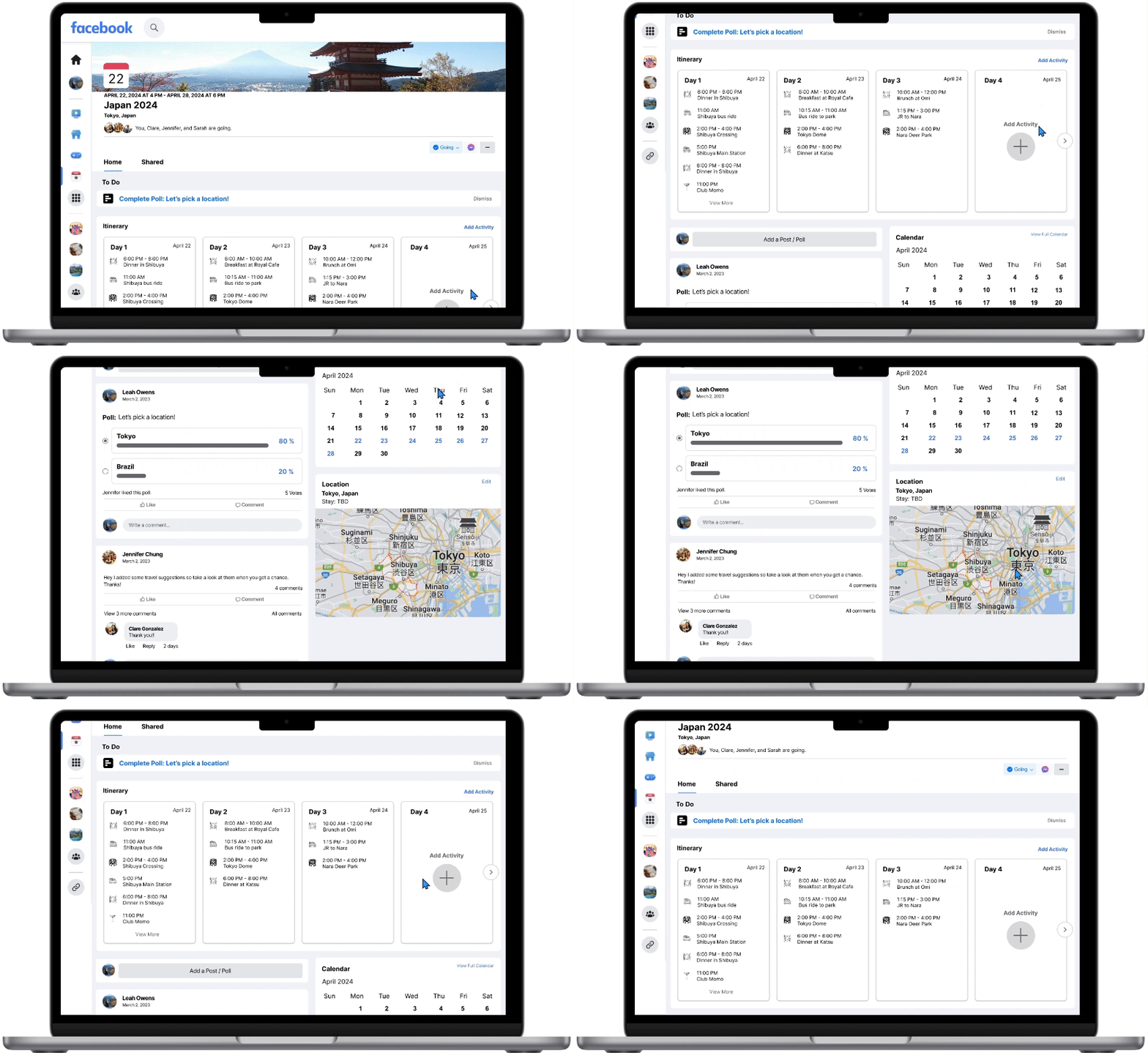
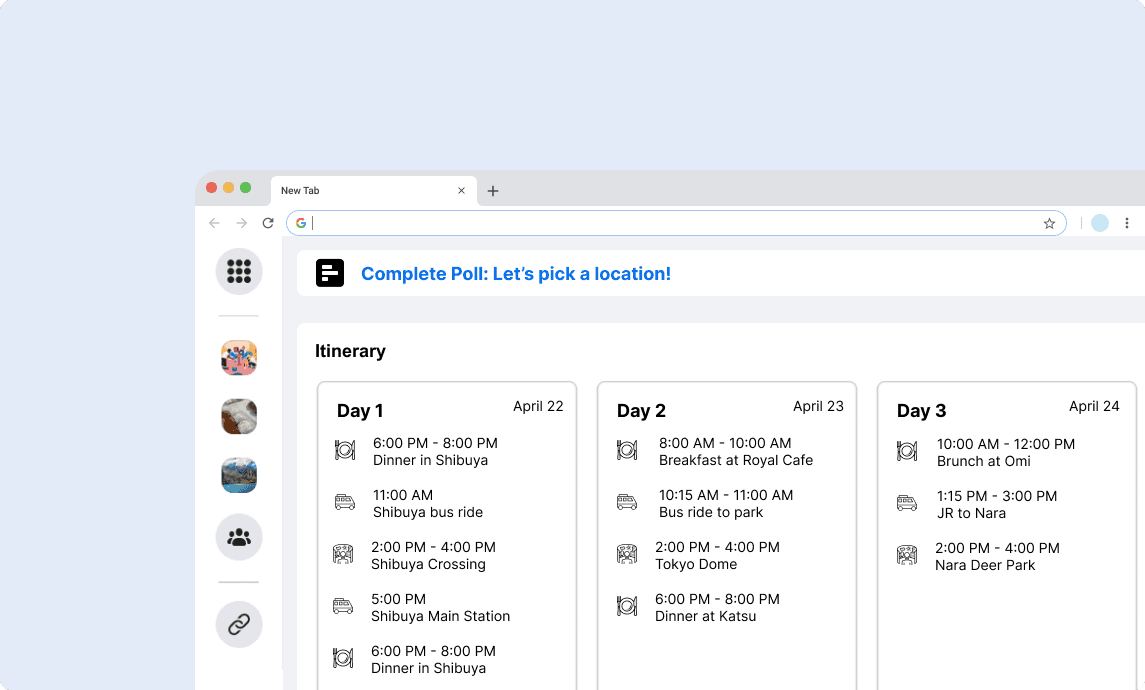
Added itinerary for planning and organization, calendar, to do list, and link to messenger.
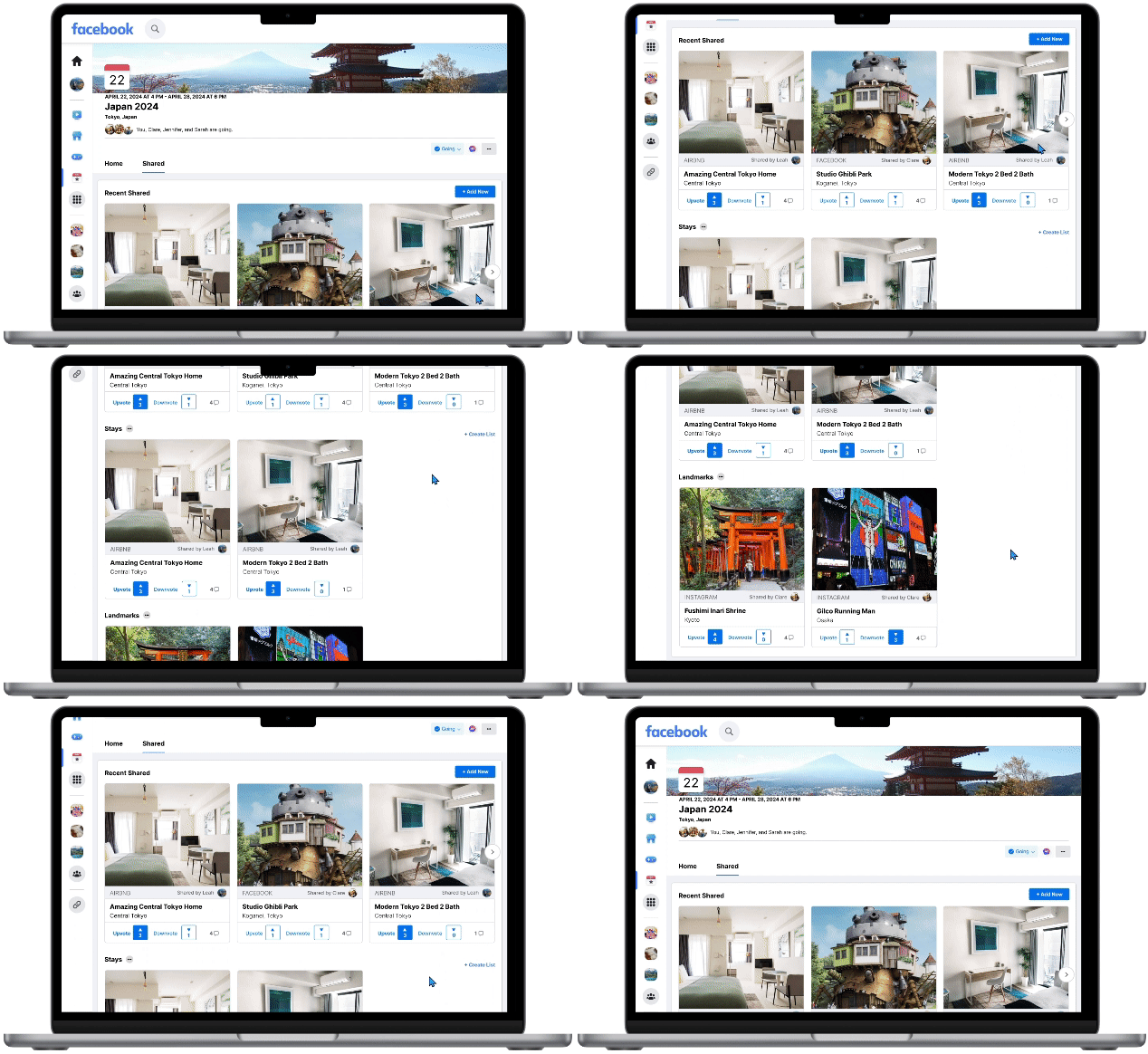
Consolidated page to share travel ideas and engage in planning.
Learning from hidden opportunities and continual improvement.
Peripheral Behaviors Unveil Opportunities
By observing users' peripheral behaviors, we can discover unmet needs within well established platforms. Many well established business overlook peripheral actions that have hidden opportunities to explore.
Prioritizing User Needs
Given the short timeline, prioritization was crucial and focusing on user needs helped me target the main problem. This allowed me to focus on creating features that were less obvious but more meaningful.
Platform Selection and Expansion
Choosing Meta was strategic, as users were already improvising solutions for their needs on the platform. In the future, expanding to Instagram or other major platforms could be explored for further enhancements.
Further Development and Enhancements
Given more time, I would like to expand the solution to incorporate more partnership with other travel services that users rely on, such as flight agencies and accommodations.
© 2024 Pamela Hsiung